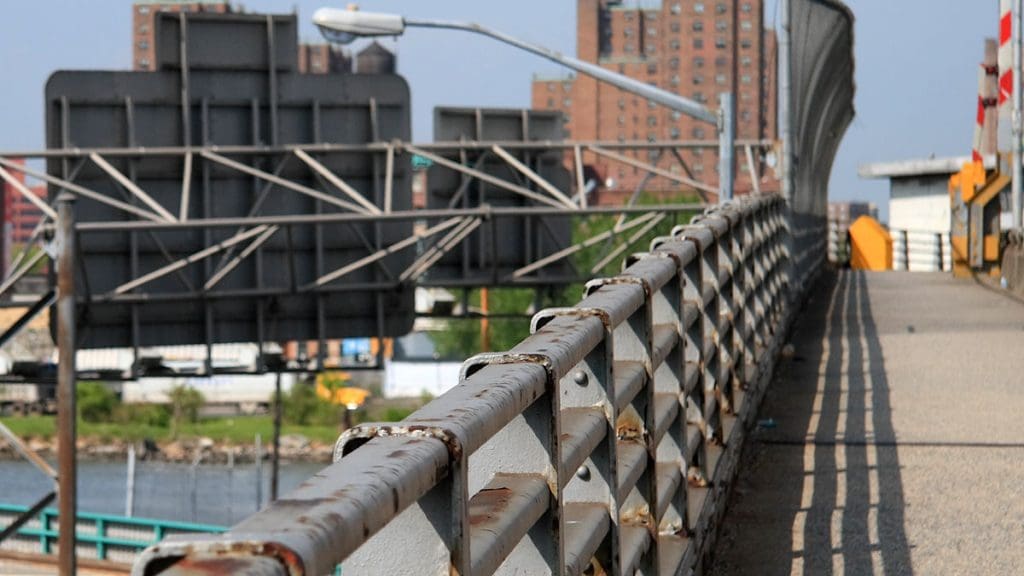
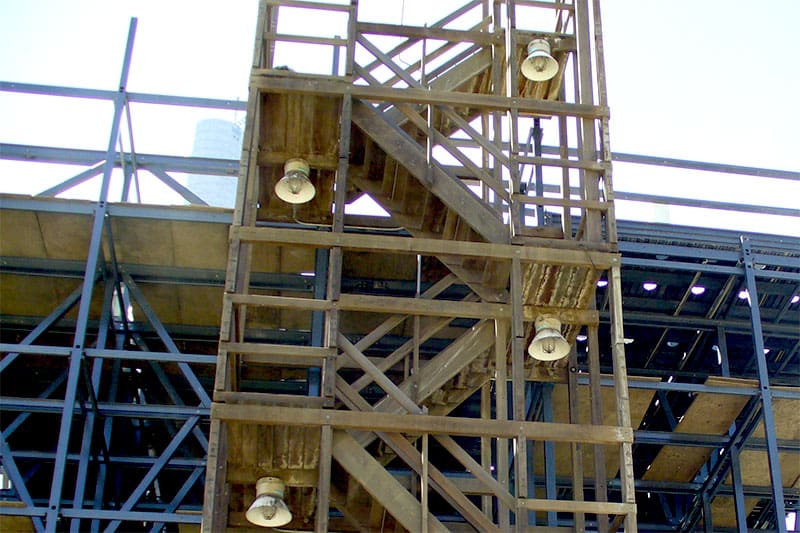
Across the country, corrosion continues to take a toll on infrastructure. Failing bridges, deteriorating overpass walkways and weakened steel structures are in the news regularly — and the same risks threaten industrial facilities. Beyond the safety concerns, the financial impact is staggering, with corrosion draining more than $500 billion annually from governments and businesses as aging assets face heavier use and harsher environments.
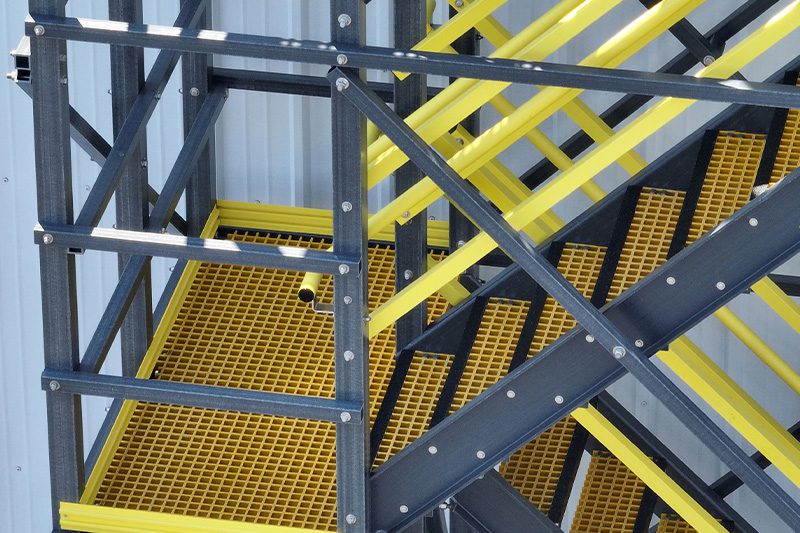
It’s no wonder, then, that more and more industrial facilities and construction professionals are switching from steel to corrosion-resistant fiberglass-reinforced polymer (FRP) structural materials like Bedford’s PROSeries® lineup of structural shapes and grating. Replacing corroded fixtures, platforms, industrial walkways and other structures with PROSeries FRP enhances safety, extends service life and lowers the cost of ownership. FRP materials last years longer than steel and are virtually maintenance-free.
Understanding Corrosion
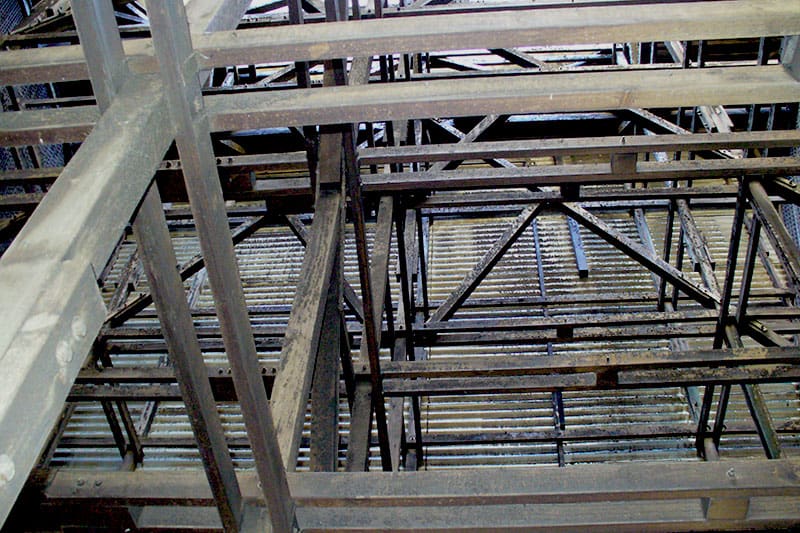
Corrosion is the deterioration of a material, primarily metal, caused by a reaction to its environment. The reaction is generally caused by exposure to moisture or chemicals. The most basic example is iron or steel exposed to water, which will cause rust to begin forming within hours. More resistive metals, such as aluminum and copper, still corrode but at a slower rate, and a treated metal like stainless steel will still corrode over time. Even if it didn’t, building an industrial platform out of stainless steel would be cost-prohibitive.
The FRP Advantage
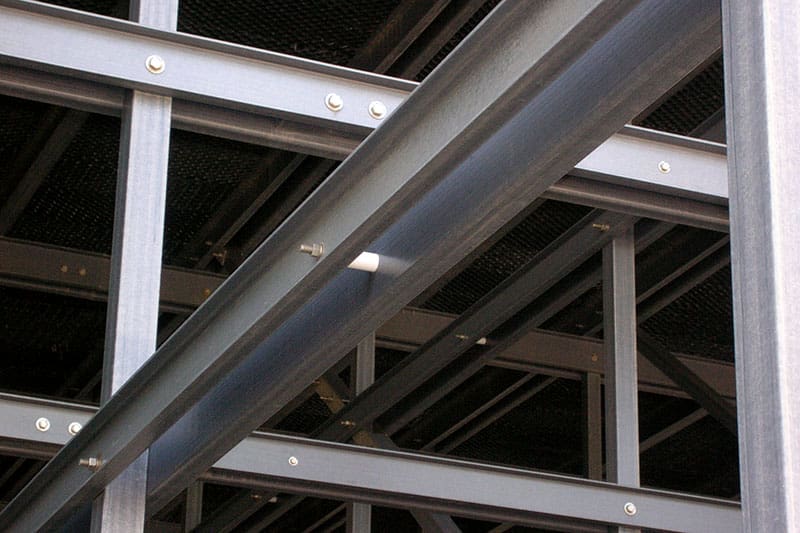
Unlike steel, which requires constant maintenance and eventual replacement, Bedford PROSeries fiberglass-reinforced plastic is highly resistant to corrosion. It doesn’t absorb water or react to it, and it’s unaffected by most chemicals. Compared to steel, PROSeries FRP structural materials offer significant advantages in industrial applications:
- Won’t rust or corrode: FRP is resistant to weather and chemicals.
- Lasts longer: FRP maintains its structural integrity over time.
- Stays secure: Expansion and contraction are minimal, so joints won’t loosen and decay.
- No painting required: Materials are available with safety yellow ingrained.
- Low maintenance: FRP is virtually maintenance-free.
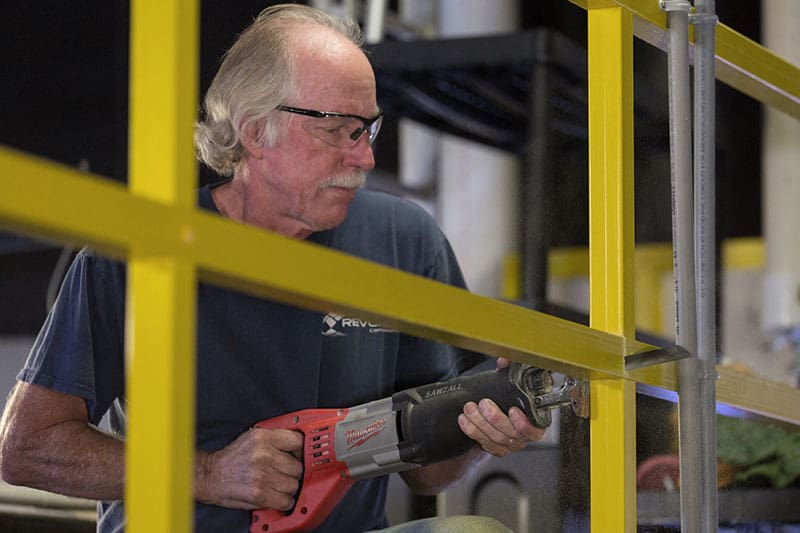
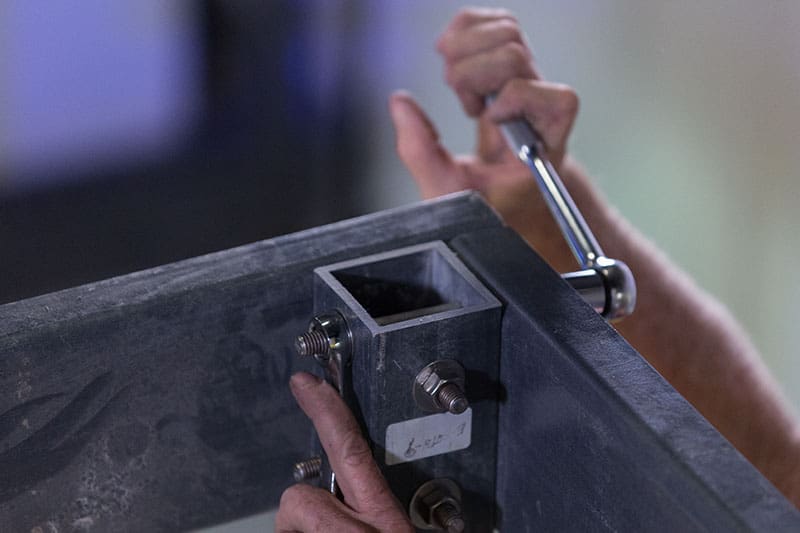
Along with the anti-corrosion benefits for safety and durability, PROSeries materials also provide a lower cost of ownership. Pound for pound, FRP provides the strength of steel at significantly less weight, which lowers freight costs and reduces labor and equipment needs during installation. PROSeries materials can also be installed using standard tools, so no specialized labor, welding equipment or cutting torches are needed.
Unlimited Possibilities
The PROSeries lineup offers a vast range of shapes, sizes and designs to meet almost any configuration need. The possibilities begin with PROForms® FRP structural shapes, a comprehensive array of both standard and custom FRP profiles. The selection includes angles, rods, tubes, beams, channels and more to meet any need. PROGrid® molded FRP grating provides a strong, impact-resistant, low-maintenance walking surface for worker safety. PROGrate® pultruded FRP grating is the stiffest and strongest FRP grating option. Many PROSeries components are in stock for timely shipping, and custom options are available as well.

Get Started
The Bedford team is here to help with everything from engineering services to product selection. Reach out with questions, request a quote or call 814-623-8125 to discuss your project.