It’s been said that the only thing you can predict about disasters is that they’re unpredictable. That’s true, and that’s all the more reason to prepare for them. When something happens, either natural or manmade, you want to be able to respond as quickly and effectively as possible. That’s one of the reasons why Bedford participated in the recent Natural Disasters Expo in Miami.
Although Bedford fiberglass-reinforced polymer (FRP) products have many uses, they are primarily known for long-lasting industrial safety structures. The same elements that make them so effective in industrial applications — multiple configurations, weather resistance, fast assembly and more — make Bedford products ideal building materials for natural disasters.
Many municipalities and companies choose Bedford PROSeries components for their structures because FRP solutions are built to withstand anything nature throws their way. The durable solutions hold up under extreme conditions. But if you haven’t built with Bedford in advance, here are three of the many ways that Bedford solutions can help you in the event of flooding, hurricanes, wildfires, landslides, earthquakes or other disasters:
1. Temporary Fiberglass Walkways
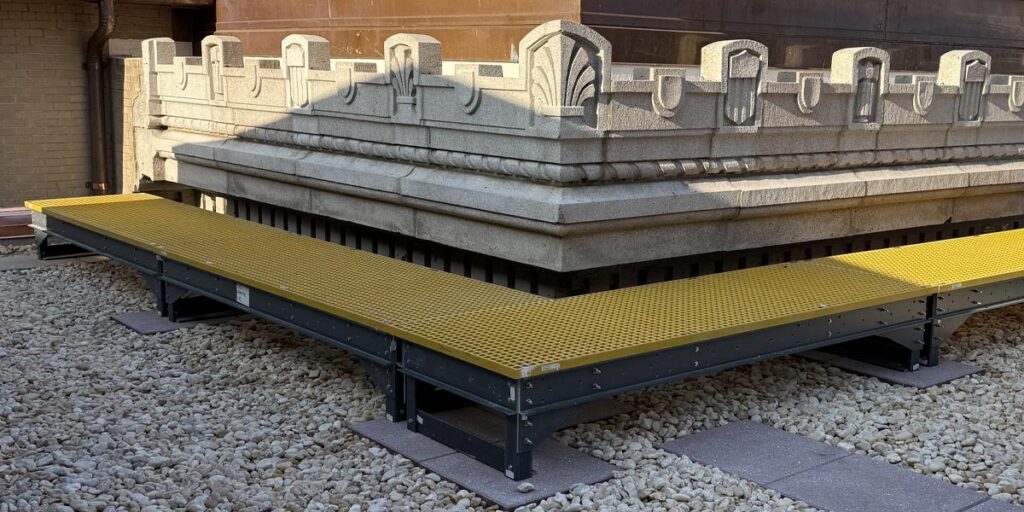
Temporary pedestrian walkways are essential during disaster cleanup and restoration for creating safe paths on unstable ground. They provide safe routes for emergency and recovery crews, and having a clear route also helps control the foot traffic of crowds.
Bedford FRP solutions are lightweight for rapid setup. No special tools are needed for assembly, so you won’t have the worries or dangers of someone using a welder in wet conditions. FRP also doesn’t conduct electricity. Best of all, Bedford materials are slip-resistant, so they can be used with confidence for flood recovery access and other disaster cleanup and restoration needs. To learn more about temporary walkways, contact our team or give us a call.
2. Crossover Platforms
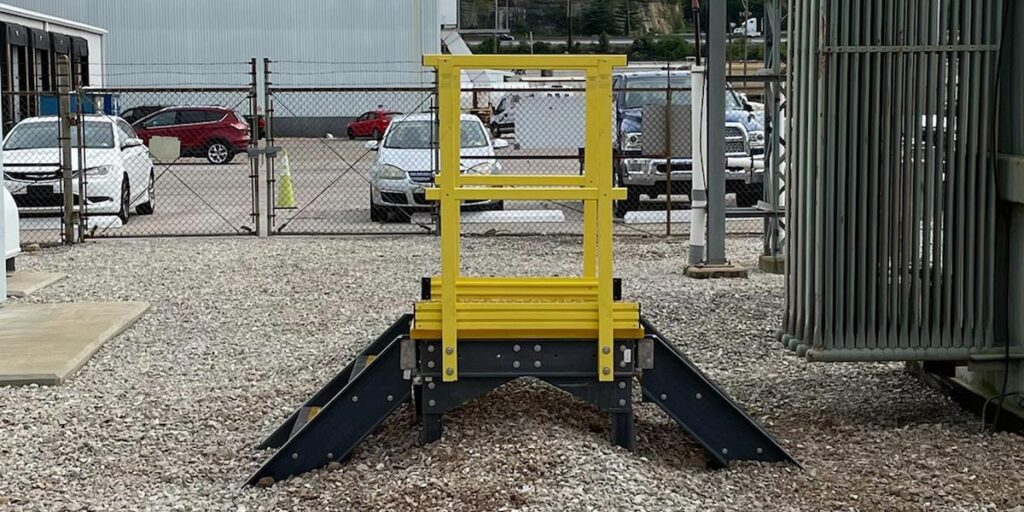
A disaster might create large puddles or trenches that prevent access to key areas. Response teams often need to run hoses and cables over the site. Crossover platforms allow safe bypass over such obstacles and hazards, providing access to response zones and protecting pedestrians and infrastructure.
Again, the many benefits of FRP make Bedford solutions the right choice for constructing crossovers quickly and easily. The non-conductivity reduces the risk of shocks amidst all the utility activity at disaster sites. The materials are corrosion-resistant, so they’ll keep performing even if the site is drenched in saltwater, fire-fighting foam or other harsh elements. The built-in slip resistance also reduces injury risk. For more on how FRP crossover platforms provide quick, disaster-resilient construction, reach out to our team or call us.
3. FRP Pedestrian Bridges
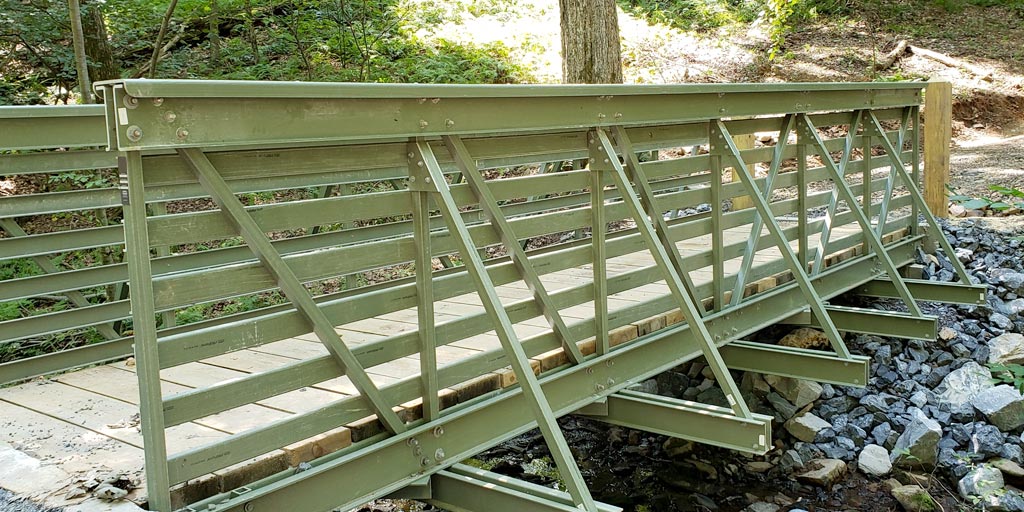
Rapid access is a must for emergency response. Temporary pedestrian bridges give responders and the public safe passage over washouts, damaged or destroyed crossings, heavy debris areas and more.
Bedford FRP pedestrian bridges are lightweight for fast deployment, yet strong enough to handle the constant foot traffic and small utility vehicles associated with disaster response. The corrosion-resistant materials and slip-resistant surfaces ensure durability and reduce safety risks in wet conditions. Get a complete overview of Bedford pedestrian bridges or contact us to learn more.
Here to Help
With their combination of high strength and reduced weight, Bedford FRP structural shapes, grating, platforms, bridges and more are the ultimate building materials for natural disasters. The quick assembly and slip resistance serve first responders and the public well when tension is high and time is limited.
To learn more about FRP materials or to discuss your emergency response plan, contact our experienced team.